 Rapid Vac Trucks Newcastle
Good vac truck work starts before the truck reaches the gate. For builders, plumbers, civil crews and facility managers in Newcastle, a clear site brief can reduce delays and help everyone understand the work area, access limits and known underground services.
This checklist explains what to prepare before vacuum excavation or non-destructive digging. It is a practical booking guide, not a substitute for site-specific risk assessment, utility-owner instructions or a Safe Work Method Statement where one is required.
Key takeaways
- Get current underground service information before excavation starts.
- Confirm truck access, ground conditions and a controlled work zone.
- Describe the material and the job outcome, not just the equipment you want.
- Send photos, plans and a site contact with the booking request.
Why does site preparation matter before a vac truck arrives?
SafeWork NSW reports that 74% of the excavation and earthmoving incidents it reviewed resulted in serious injury or death. Its current guidance identifies plant striking services, plant striking people and plant rollover as the three main incident types. Preparation helps the site team address those risks before work begins.
A vac truck can support careful excavation around services, but the method does not remove the need for planning. The person managing the work still needs current service information, suitable controls, clear supervision and a site-specific approach.
Start by defining the result you need. That may be exposing a service, digging a pothole, opening a narrow trench, cleaning a pit or removing water and loose material. A clear outcome gives the operator a better basis for discussing equipment, access and disposal requirements.
1. Get current underground service information
One telecommunications asset owner reported 20,000 service strikes a year and about $20 million in annual damage, according to SafeWork NSW. The regulator lists failures to identify services, use asset maps and explain those maps to supervisors and operators as common contributing factors.
Before You Dig Australia provides a single request point for plans and information from participating asset owners. Its process has three steps: create a request, mark the proposed work area and receive information from the relevant owners. Keep those documents available to the people planning and carrying out the excavation.
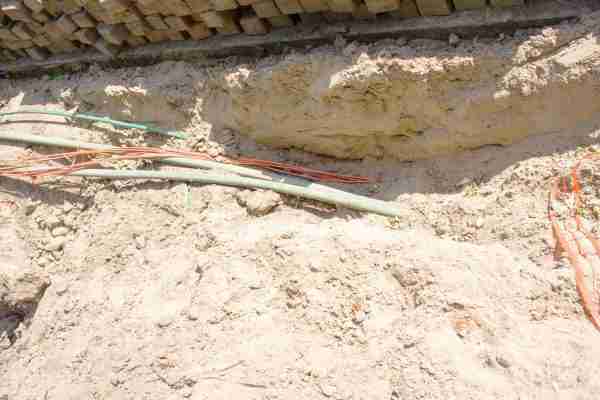 Plans are a starting point. The work method must account for the actual site and asset-owner requirements.
Plans may not show the exact position or depth of every service. SafeWork NSW advises crews to look for physical indicators, use suitable locating methods and use non-destructive potholing where appropriate. If the position of an asset is uncertain, contact the asset owner rather than assuming its alignment.
2. Confirm access, ground and work-zone conditions
A trench deeper than 1.5 metres is one example of high-risk construction work identified in NSW excavation guidance. Work near powered mobile plant, pressurised gas mains or energised electrical services can also trigger additional planning requirements. The booking brief should flag these conditions early.
Send photos of the access route and the work area. Include gates, slopes, overhead lines, soft ground, tight corners and any point where the truck may need to turn or reverse. Measure narrow access instead of describing it as “tight”.
Also identify where workers, vehicles and the public will be during the job. SafeWork NSW recommends suitable exclusion zones, supervision and controls that prevent unauthorised access to excavation areas. The site controller remains responsible for the work environment.
Access details worth checking
- Gate width, height restrictions and turning space
- Distance from the practical truck position to the work face
- Surface condition, slope and known weight limits
- Overhead services, trees, scaffolds and temporary structures
- Traffic control, spotter and site-induction requirements
- Safe space for hoses and the work crew
3. Explain the material and the required finish
A useful scope describes both what is in the ground and what should be left when the work is complete. Water, clay, sand, gravel, slurry and mixed debris behave differently. Suspected contamination or hazardous material needs to be declared before work is accepted.
State whether the job is for investigation, exposure, trenching, pit cleaning or liquid removal. Include the approximate length, width and depth where known. If dimensions are uncertain, explain what must be visible or accessible at completion.
Do not assume every recovered material can follow the same disposal path. The material type, site conditions and receiving-facility requirements can affect handling. Discuss this during booking so the job is scoped against known information.
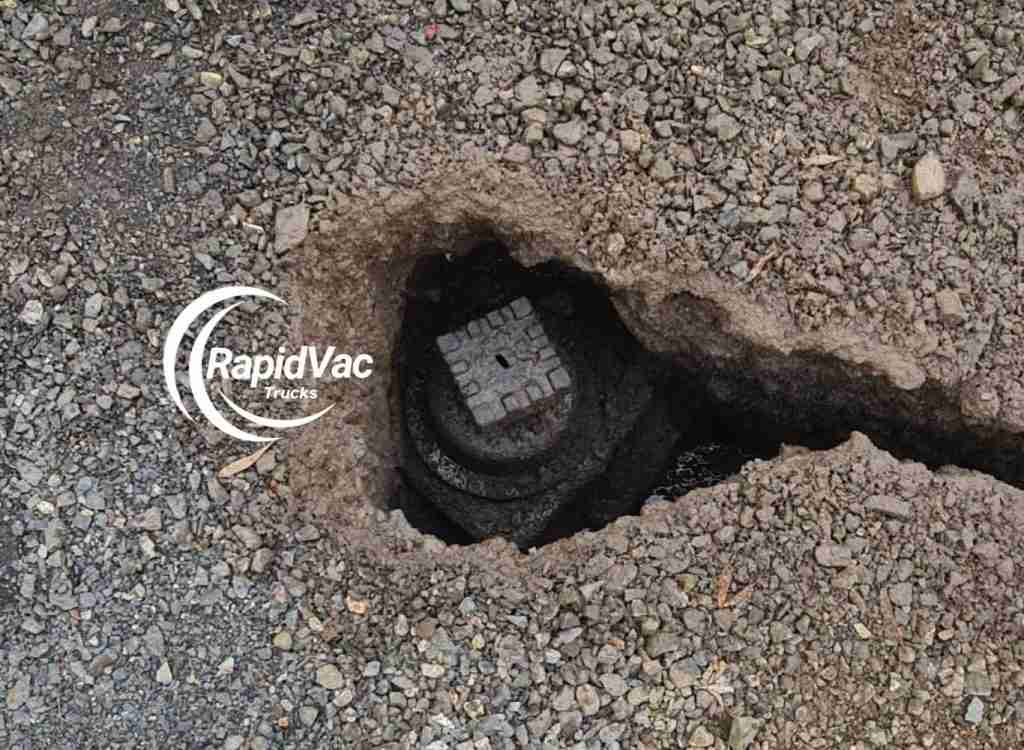 Describe the outcome required, such as exposing a service or opening a defined pothole.
4. Prepare the site team and verification point
SafeWork NSW’s 2026 compliance program focuses on whether businesses identify hazards, implement controls and give workers clear exclusion zones and safe distances. A site contact should therefore be ready to confirm the work area, induction, service information and site controls when the operator arrives.
Nominate who can stop the work if the site differs from the brief. That person should have access to the current plans and know who to contact if an unidentified service, unexpected material or unsafe condition appears.
Agree on a simple verification point before demobilisation. For a pothole, that could mean the intended service is visible without damage. For a clean-out, it could mean the nominated pit is accessible for inspection. Clear acceptance avoids guessing on site.
What should you send with a Newcastle vac truck enquiry?
A concise six-part brief is usually more useful than a long description with missing site details. Send the location, outcome, known services, access conditions, material information and a site contact. Add marked-up photos or plans where they make the work area clearer.
- Site location: the work address and the exact area within the site.
- Required outcome: what needs to be exposed, removed, cleaned or excavated.
- Service information: current plans, locating results and asset-owner conditions.
- Access: measurements, truck position, hose route and overhead constraints.
- Material: expected soil, water, slurry or debris, including any known hazards.
- Site contact: the person available for induction, controls and decisions.
If you are still deciding between service locating, non-destructive digging and a broader vacuum excavation scope, review the service locating, non-destructive digging and vacuum excavation service pages before sending the brief.
Frequently asked questions
Are Before You Dig Australia plans enough on their own?
No. Plans are important, but SafeWork NSW warns that available information may not be exact. The site team may also need locating, physical checks, asset-owner instructions and careful potholing. The correct controls depend on the site and the services involved.
Does vacuum excavation remove the need for a SWMS?
No. The excavation method does not replace work health and safety duties. A site-specific Safe Work Method Statement is required for high-risk construction work, including the situations identified in NSW regulations and guidance.
Can a vac truck remove water as well as soil?
Vac trucks can be used for water and loose material in suitable jobs. The material, volume, access and disposal requirements still need to be discussed. See the Newcastle guide to dewatering with vac trucks for common use cases.
What if the service location is still uncertain?
Stop and resolve the uncertainty before proceeding. SafeWork NSW advises contacting the asset owner when there is doubt and warns against assuming service depth or alignment. Site plans, electronic locating and non-destructive potholing may all form part of the investigation.
Ready to discuss the site?
Prepare the six details above, then send the Newcastle team an enquiry or call 02 4012 2214. The team can discuss the requested outcome and known site conditions without changing the responsibilities of the site controller or other duty holders.
Sources
- SafeWork NSW, Excavations and earthmoving plant in construction, accessed 6 August 2026.
- SafeWork NSW, Doing excavation work, accessed 6 August 2026.
- SafeWork NSW, Know what’s above and below when around services, 4 May 2026, accessed 6 August 2026.
- Before You Dig Australia, Get free plans, accessed 6 August 2026.