 Rapid Vac Trucks Newcastle
The cheapest-looking vacuum excavation quote can be the hardest one to use. A figure based only on the hole dimensions may leave the site team to arrange access, water, waiting time or recovered material after the booking has been made. The useful comparison is the complete task. Ground conditions, truck setup, site controls and the destination for spoil all shape what the contractor must allow for.
In brief
- The excavation size is only one part of the scope.
- Access, ground, setup and spoil handling can change the work.
- Giving every contractor the same site brief makes quotes easier to compare.
Why the price covers more than the hole
Two openings with similar dimensions can be very different jobs.
One may sit beside a clear hardstand with an uncomplicated hose route. Another may be behind a controlled gate, near operating plant or in an area that has to remain open to other trades.
A vacuum excavation booking also includes the work around the excavation: entering the site, positioning the truck, setting up the work area, moving equipment to the excavation point and managing the recovered material. Travel and site-entry requirements may form part of the quoted scope as well. That is why a flat rate rarely tells the whole story. It may be a valid starting assumption, but the quote needs to show what is included and which responsibilities remain with the site.
How ground and excavation details change the task
Loose workable soil behaves differently from compacted fill, heavy clay, mixed rubble or ground containing hard obstructions. Moisture changes the task too. Recent rain, standing water and waterlogged material can affect excavation and containment.
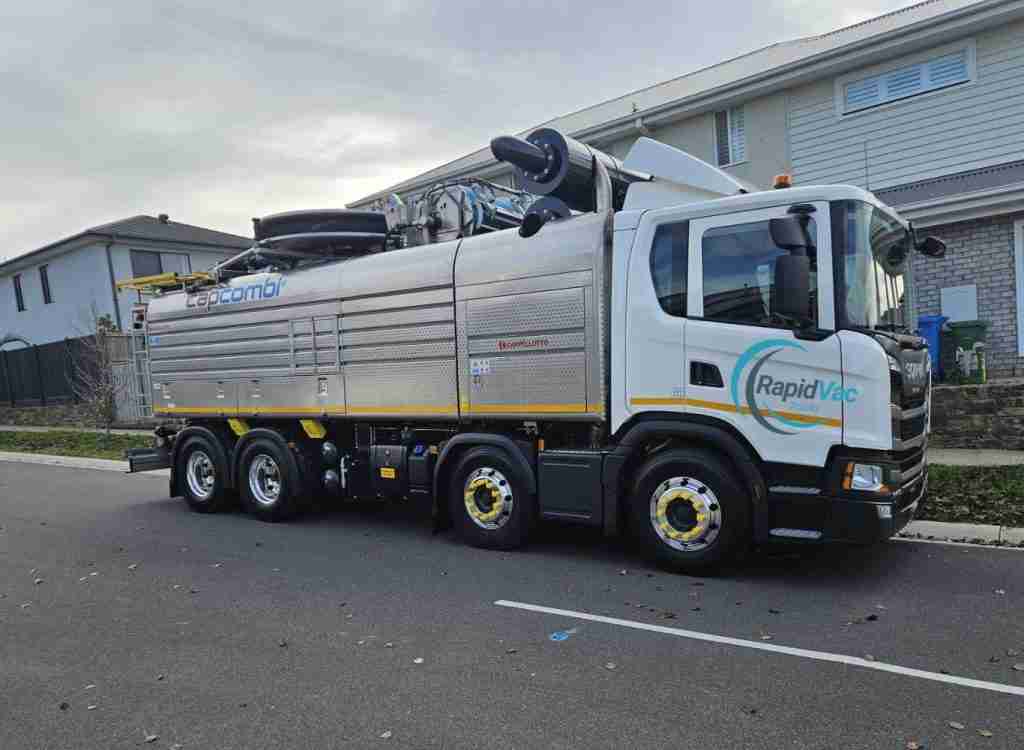 Where the truck can stand and how the hose reaches the work both shape the quoted task.
The shape of the work matters as much as the material. A focused inspection opening is not the same scope as several exposure points or an excavation that continues along an alignment. The contractor needs the expected depth, width, number of locations and required outcome, even where some dimensions remain estimates.
Known fill, visible rock and suspected contamination belong in the enquiry. Current photos and any relevant site information are more useful than describing the ground as normal.
Why setup cost begins at the gate
Truck access starts at the site entry. Gate openings, overhead restrictions, soft verges, steep approaches and turning room can decide where the equipment can be positioned.
From that position, the hose and work equipment need a practical route to the excavation. A route across an accessway, footpath or active work area may require coordination under the site’s controls. A marked plan and a short photo sequence usually make these interfaces clear. The setup also depends on the type of site. An operating facility or busy construction project may require inductions, permits, traffic arrangements, spotters or sequencing with other crews. Those requirements consume real work time and should appear in the brief before pricing.
If the proposed truck area will not be available on the day, the contractor may have to change the setup or wait, so the position should be reserved as part of job preparation.
How the spoil plan changes the quote
Recovered material needs an agreed destination. It may remain on site in a suitable containment area, move to another approved point or leave under the project’s waste arrangements. Those paths are not interchangeable. Clean soil, wet slurry and material with suspected contamination can require different assessment and handling. The site controller should disclose what is known and provide any available classification information.
If the spoil stays, the contractor needs to know where it will be received and how that location can be reached. If it leaves, the quote should identify who selects the destination, supplies the required material information and covers the transport and receiving arrangements.
A useful comparison shows the assumptions behind any line marked “disposal”.
Building a quote-ready job brief
A useful brief does not have to be polished. It has to show the work, the site and the expected finish.
Include:
- the site address, proposed timing and site contact;
- a marked plan, sketch or photo for every excavation point;
- the purpose and expected dimensions of the work;
- available buried-service and ground information;
- known or suspected contamination;
- the proposed truck position and hose route;
- induction, permit, traffic and work-hour requirements;
- water arrangements relevant to the proposed method; and
- the intended spoil, backfill and reinstatement responsibilities.
Send those details with an enquiry about vacuum excavation services for Newcastle worksites. Any remaining unknowns can then be identified as assumptions instead of being hidden in the figure.
Comparing quotes on the same basis
Start with inclusions, exclusions and responsibilities. A lower figure may leave travel, disposal, waiting or a required support item to the principal. Another contractor may have included those items.
Align the scope before comparing the bottom line. Check the planned work period, number of excavation points, setup, water, traffic controls, spoil destination and response to a changed condition. The quote should also say how work beyond the stated scope will be handled.
Give each contractor the same information.
Where the proposed methods differ, ask what each method changes for the site team and the finished outcome. That comparison produces a budget tied to a defined task rather than a loose equipment allowance.
Frequently asked questions
Can photos support a vacuum excavation quote?
Yes. Photos can show the entry, proposed truck position, hose route and work area, particularly when they are paired with a marked plan and dimensions. Some sites may still need further discussion or review before the scope can be confirmed.
Does a small hole mean a low-cost job?
Not necessarily. A small opening can still involve travel, site entry, setup, restricted access and spoil handling. Its size matters, but it does not remove the tasks required to position the equipment and carry out the work.
Talk through a Newcastle job
Put the brief together, then send it through and the Newcastle team can walk you through the assumptions behind the figure.
Call 02 4012 2214 · Request a quote
You can also find opening hours, photos and directions on the Rapid Vac Trucks Newcastle Google Business Profile.